Published Date: 21/05/2026
Category: Blog
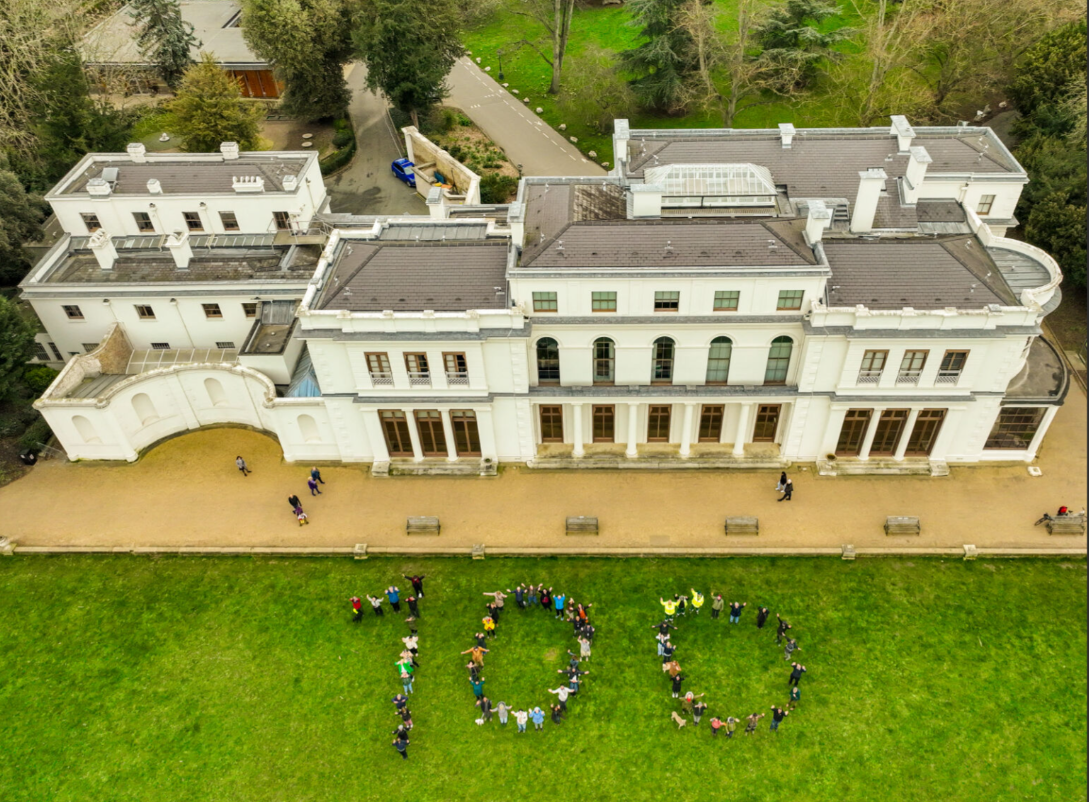

On 21st May 1926, the crowds gathered and bands played as Gunnersbury Park opened its gates to the excited public for the first time. Only months before the land had been part of a private estate. So how was it transformed?
In October 1925 Ealing and Acton Town Councils were given permission to raise loans to buy Gunnersbury Park from the Rothschild family. Middlesex County Council was to contribute one quarter of the cost.
The Councils set up Gunnersbury Park Joint Committee to manage the Park. Its first meeting was in December 1925 and the sale of the Park was completed at the end of that month. The Committee would have to make decisions on a wide range of issues but some of its first tasks were to put financial arrangements in place: bank accounts were set up, the loans were secured, procedures for receipt of rents & payment of wages were agreed.
The Borough Engineer was asked to draw up a job description for a Park Superintendent. The Superintendent would be in complete charge of the park - administration and horticulture - under the direct instruction of the Committee. The pay would be £400 a year (the equivalent to about £22,000 today) and the Superintendent would be provided with free housing.
The Committee appointed William Armstrong to the post. It was reported that ‘his work and worth [had] been greatly praised’(1). William started work at Gunnersbury on 1st March 1926. One of his first tasks was to recruit the gardeners and labourers needed.
These staff were responsible for transforming and maintaining nearly 200 acres of gardens and parklands. Grass cutting was a big task. Most of the grass cutting was carried out using horse drawn mowers with the finer areas cut using hand mowers pushed by the workmen. In February 1926, the Committee gave Mr TJ Perkins permission to graze 200 sheep on the parkland. By April 1926, 500 sheep were grazing there ‘at minimal cost’.
The Borough Surveyor was asked to provide costed plans for the layout of the Park. Tenders were submitted for the construction of paths, 200 green seats were bought, buildings in the park repaired and unsafe hot houses demolished.
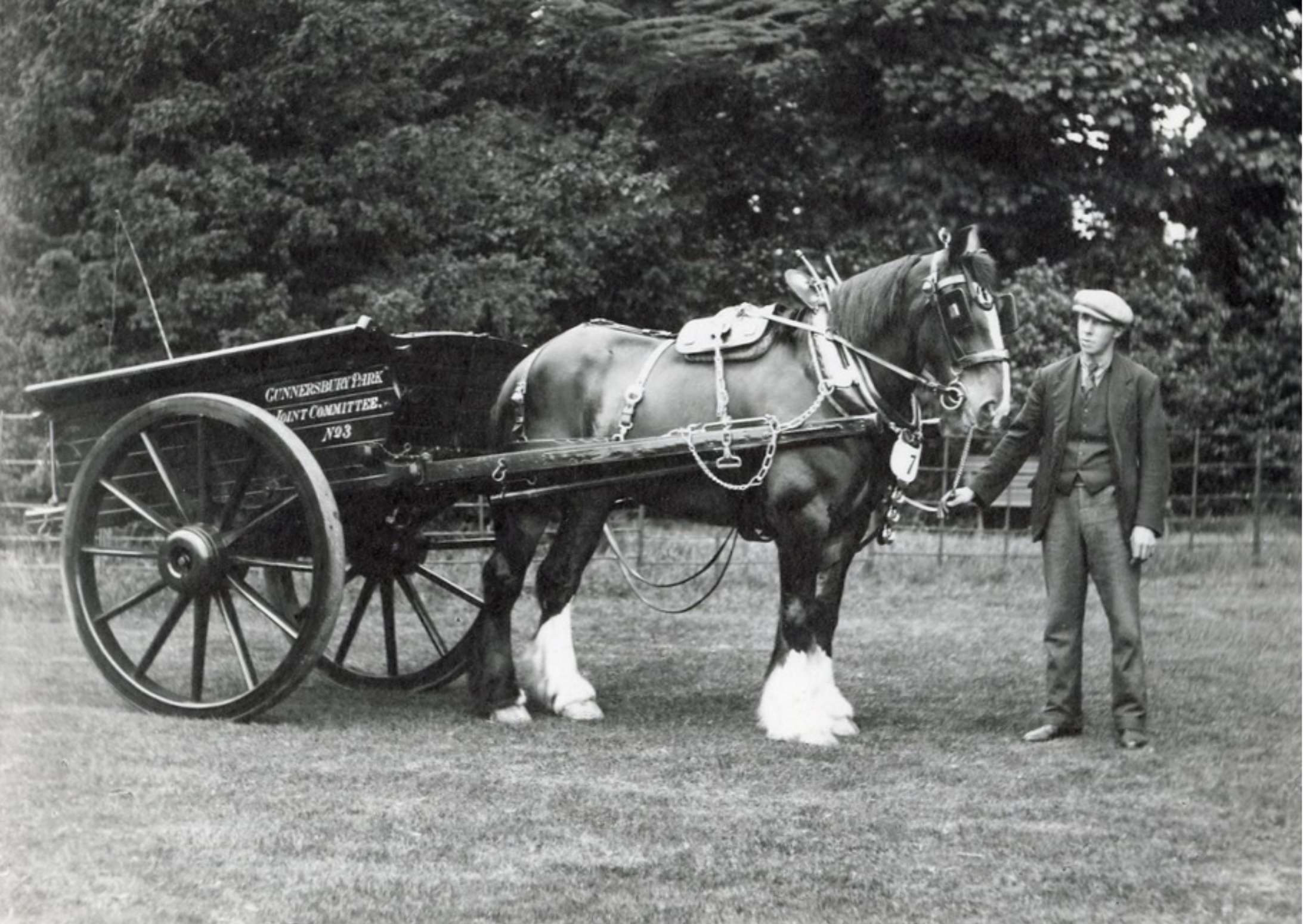
The Committee was contacted by a wide variety of people keen to use the Park in various ways. These included a Mr Williams who was given access to sketch the Park. The National Union of Allotment Holders were told there would be no allotments in the Park. Decisions were postponed on proposals by various people to set up services in the Park including boating, golf, refreshments and concerts.
As part of the sales agreement houses could be built along the edge of the Park, in Popes Lane and Lionel Road. There were enquiries from builders and agents and tenders were to be received by 1st June. The Committee turned down a request from brewers, Watney, Coombe & Reid, who wanted to build a pub at the corner of Lionel Road.
When the Park was bought, football clubs already playing there were allowed to continue, with the allocation of pitches for the next season to be made later. Day tickets for angling also continued.
It was decided that the hard tennis court would be used by a club while the grass courts would be for public use along with a putting green. The Committee bought equipment for miniature and clock golf as well as putting.
By the 1st of May 1926, 11 cricket pitches and 4 golf courses had been created. The Committee were working on plans for sports changing rooms.
In February 1926, the Committee had asked if King George V would formally open the Park. However, it was decided that the honour would fall to Neville Chamberlain, then Minister of Health (later Prime Minister). His Department had approved the raising of the loans to buy the Park. The date for the opening was agreed as 21st May 1926.
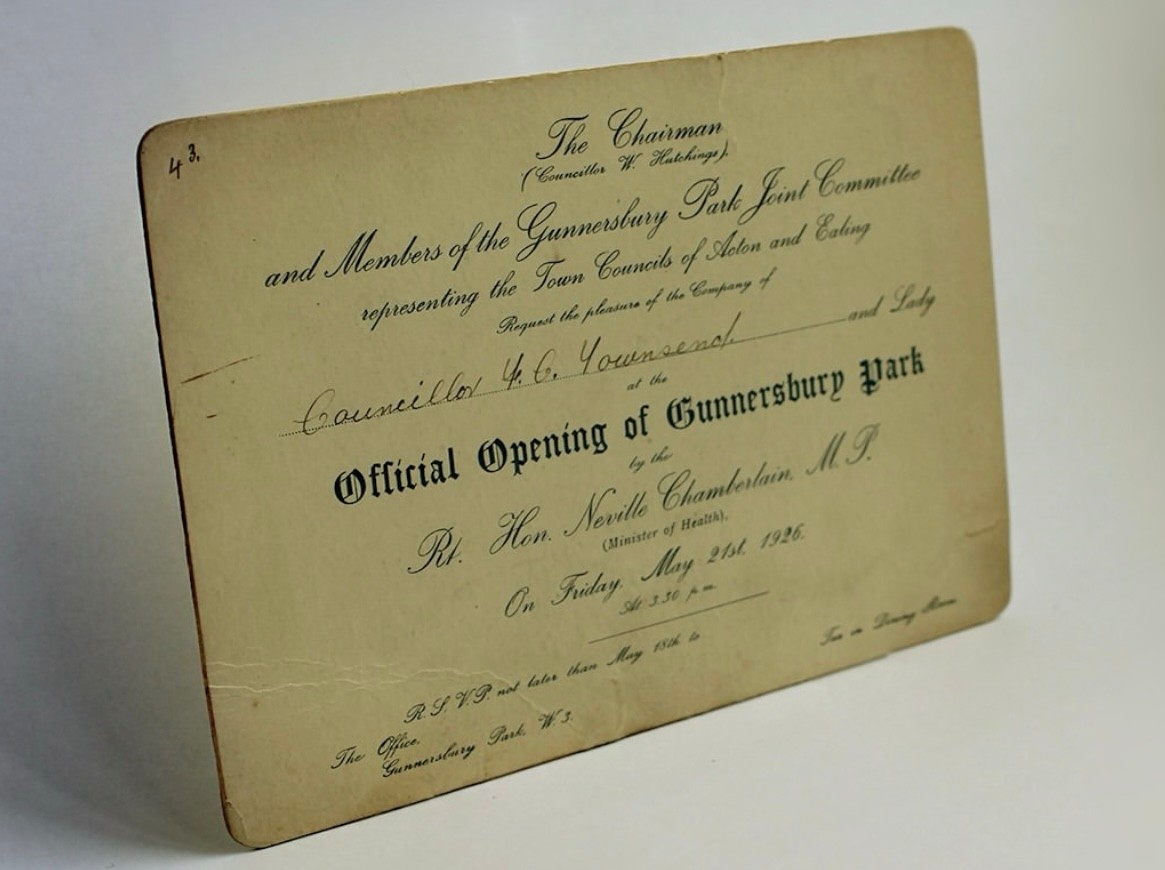
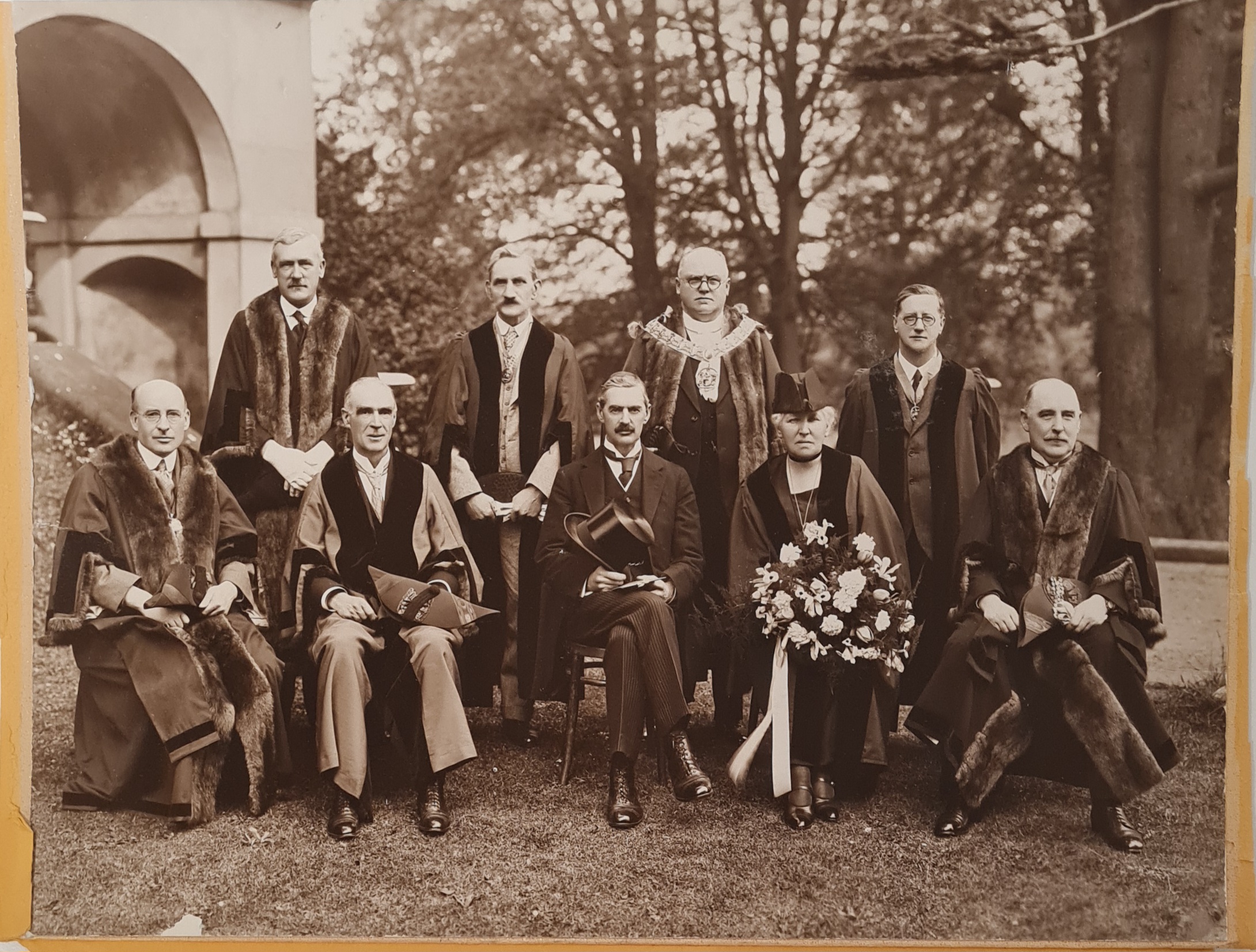
The Committee had to oversee the arrangements for the opening day. These included agreeing the guest list and confirming who would be on the platform as well as approving invitation cards and a programme for the day. The Committee needed to ensure arrangements were in place for a commemorative tablet, a vicar to give a dedicatory prayer, bouquets, photographers, bands and St John’s ambulance.
The Committee had worked hard to ensure Gunnersbury Park was transformed in time for its opening but this was just the start of its work. The Committee and its successors have continued managing the Park for 100 years.
A huge thank you to the Friends of Gunnersbury Park & Museum, who generously funded the GPJC Minute Book restoration project earlier this year. You can now find our newly restored 1926 Minute Book on display at the 'Gunnersbury Unlocked: From Private Grounds to Public Park' exhibition (Ends December 31st 2026).
One hundred years on, these remarkable stories offer a glimpse into the vision, effort, and community spirit that shaped the park’s earliest days and continue to make it such a special place today.
But to stay open, we need your help. Gunnersbury Park and Gunnersbury Museum are managed by the Gunnersbury Museum and Park Development Trust, registered charity number 1168709 . We recieve only a fifth of our funding from the local councils.
To mark our 100th birthday, we’re asking you to make a donation to support the ongoing maintenance, repair and improvement of Gunnersbury Park and Museum, so we can ensure it remains a place to relax, play, learn, and celebrate for the next 100 years.
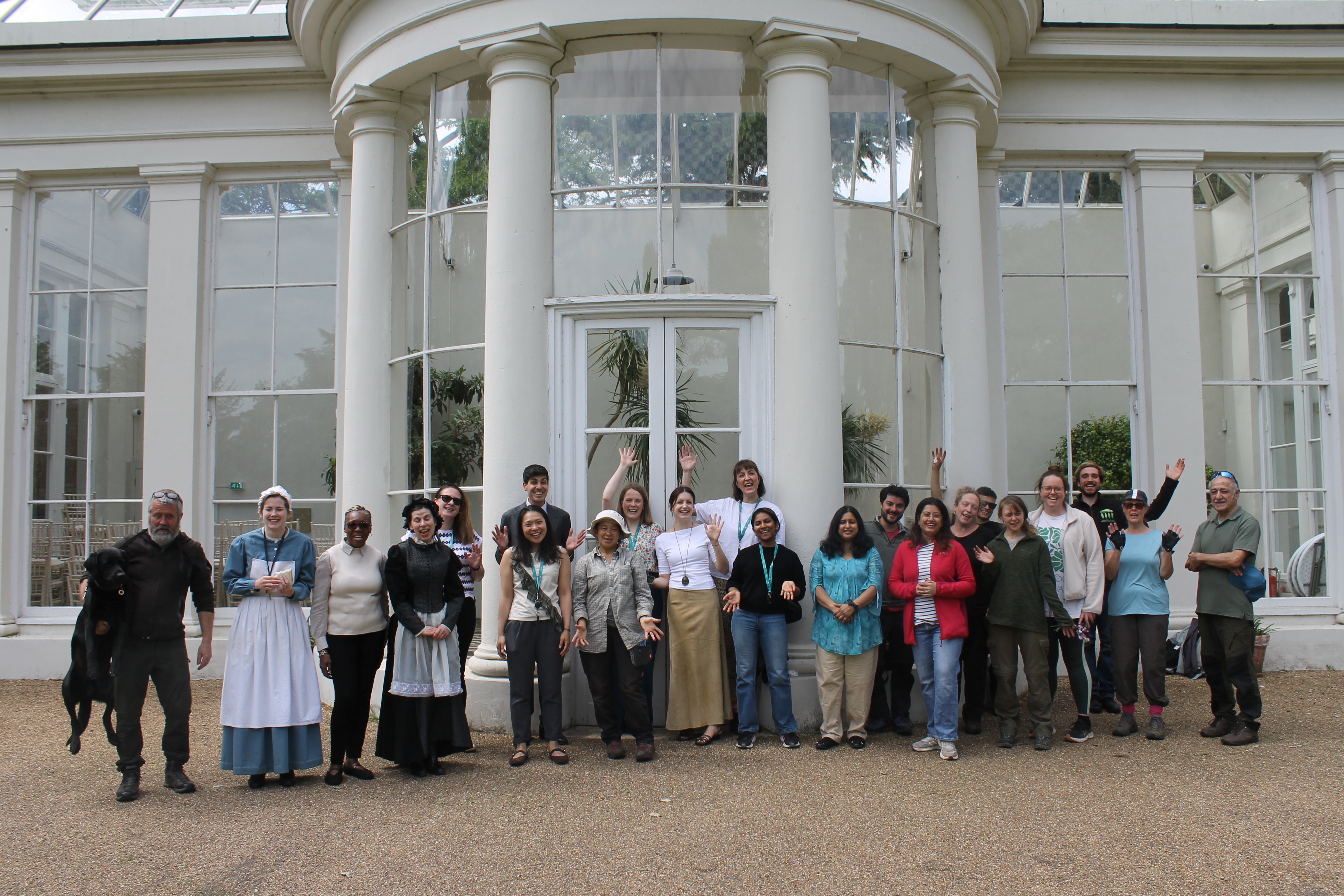
The main source for this article is Gunnersbury Park Joint Committee Minute Book 1.
(1) ‘Stirling man’s London appointment’, Callander Advertiser 20th February 1926.